Illness Through a Dog’s Eyes
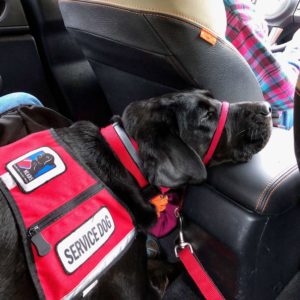 What Love Looks Like When Illness is Present
Woof woof, friends,
Something shifted in the house a couple of weeks ago—before anyone said a word.
Illness has a way of doing that.
The morning rhythm went missing. The door opened at the wrong time. The air held a quiet I don’t usually smell. I noticed it right away. Dogs always do.
Humans call it illness.
Dogs call it change.
Illness Through a Dog’s Nose
When my person is not well, her scent tells the truth long before her mouth does.
Her breathing slows and her movements soften. The day stretches.
Humans try to act normal during these times.
Dogs don’t understand that. Why pretend when the body is already speaking?
Illness doesn’t frighten me.
It rearranges things.
Waiting During Illness Is Still Work
Waiting is something dogs practice well. We wait by doors and beds and windows. We wait without knowing how long.
Humans fill waiting with worry, but dogs fill it with presence. We know that staying close—even quietly—is a job all its own.
Humans think waiting during illness means doing nothing.
Dogs know better.
Familiar Places
Hospitals are familiar places to me. I know their smells and sounds. I know how to tuck myself out of the way and make my body small.
I have done that work before. Many times. Service dogs learn early how to be still when stillness is needed.
Which is why this time was different.
This time, I didn’t go.
Not because love changed — because bodies do.
I am older now. My legs prefer the floor to the bed. I need doors that open more often.
I am still very good at my job…but my job looks different than it once did.
This was the first time in over eight years that my person went into the hospital without me.
I have always gone where my person went.
Until I didn’t.
Staying Home During Illness Is Also Service
So I stayed home.
I waited.
At first, I didn’t understand. Dogs don’t measure time the way humans do, but we notice absence.
I listened for familiar sounds that didn’t come.
I checked the door anyway. Loyalty does that. It keeps watch even when answers don’t arrive.
Staying home during illness turned out to be its own kind of service.
Sometimes love means not making things harder.
Sometimes it means trusting others to step in (like the person who fed me and let me out to pee and kept me company).
Humans struggle with letting others help. They like to keep their roles, even when those roles become heavy.
Dogs let roles change without making a speech about it.
Illness Changes the Body, Not the Bond
When my person came home, I smelled the difference immediately. Healing has a scent. So does fatigue.
She moved more slowly. Walks grew shorter. Naps grew longer. Dogs don’t ask for explanations. We adjust.
Humans want to be “back to normal.”
Dogs just want together.
Recovery from illness is not a switch. It is a layering. One good breath over another. One ordinary day stacked on the next.
Dogs understand this because our lives are built from ordinary moments anyway.
What Humans Fear
(And Dogs Don’t)
There is something else illness brings into a house that humans rarely name out loud.
Fear.
Not just fear of being sick—but fear of what illness might lead to.
Dogs don’t worry much about what comes next. We live in the part of time that is happening.
Humans, on the other hand, seem to stand in the present while staring down the hallway of the future.
When my person coughs, I notice the sound. I don’t imagine where it might end.
When her body needs new food, new routines, new rhythms, I accept them as facts, not losses.
Humans call these things changes. Dogs call them today.
I have watched humans grow quiet around illness, as if it might speak back if acknowledged.
Words like decline and disability and dying hang in the room, even when no one says them. Dogs don’t carry those words.
We carry scent and breath and presence.
I don’t fear walking more slowly.
I don’t fear needing help to get comfortable.
I don’t fear the way bodies change over time.
Dogs are born knowing that bodies are temporary, but love is not.
Humans seem to believe that needing help during illness means something has gone wrong.
Dogs know better. Every creature needs help at some point. Even service dogs eventually lean.
When I hear new sounds in the night—coughing, restlessness, the quiet sigh of someone trying to sleep—I do not interpret them as danger.
I listen. I stay close. I adjust my breathing to match hers.
This is how dogs hold vigil during illness.
Perhaps that is what illness asks of humans too. Not answers. Not certainty. Just the courage to stay present without rehearsing the ending.
What Dogs Understand
I notice something else when illness enters a house. Humans apologize for it. They worry about being a burden. They try to be brave.
Dogs don’t do that. No one apologizes for limping. No one hides pain. Bodies change. Love stays.
Dogs do not rush healing from illness. We trust the body to do what it can.
We match pace. We lie down when lying down is what the day asks for. We leave when rest is needed. We return when it’s time.
If I could tell humans one thing about illness, it would be this:
- You do not need to perform recovery.
- You don’t have to explain.
- You don’t have to be positive.
- You don’t have to earn care.
Illness is not failure. It is a season. And seasons change the way we live, not the way we matter.
Living With Illness at the Doorway
These days, I often sit in the doorway. Close enough. Not in the way. Watching. Waiting. Loving. That, it turns out, is still very good work.
If this reflection made you think of someone who is waiting, healing, or learning how to live with illness differently right now, please share it with them. Sometimes the quiet work matters most.
